
Indigenous Indonesian School
Your Path to Success Begins Here
PLAYGROUP
KINDERGARTEN
ELEMTARY SCHOOL
Develop Learners to Become
Religious-Communicative
Open-Minded
Trustworthy-Risk Taker
Knowledgeable
Refelective
Well-Balanced

Curriculum
Nizhamia,as an national plush school, follow the Kementrian Pendidikan dan Kebudayaan Indonesia curriculum, Furthermore, we are confronted with 21st-century learning, wich requires current methods to be used in learning and teaching approaches, and Playing. Moreover, emphasizing on learner profiles is a part of student’s character building program.
Area of The Learner Development
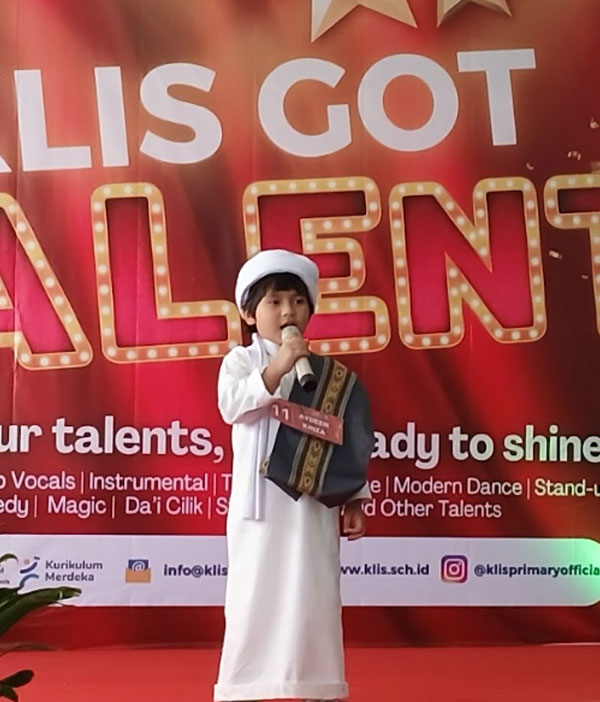
Personal Identity
In an educational context, personal identity refers to a student’s sense of who they are. It is the complex, unique blend of characteristics, beliefs, values, cultural background, and experiences that shape how a student views themselves and how they interact with the world around them.
Understanding personal identity is a cornerstone of modern education because a student’s self-concept directly impacts how they learn, socialize, and grow.
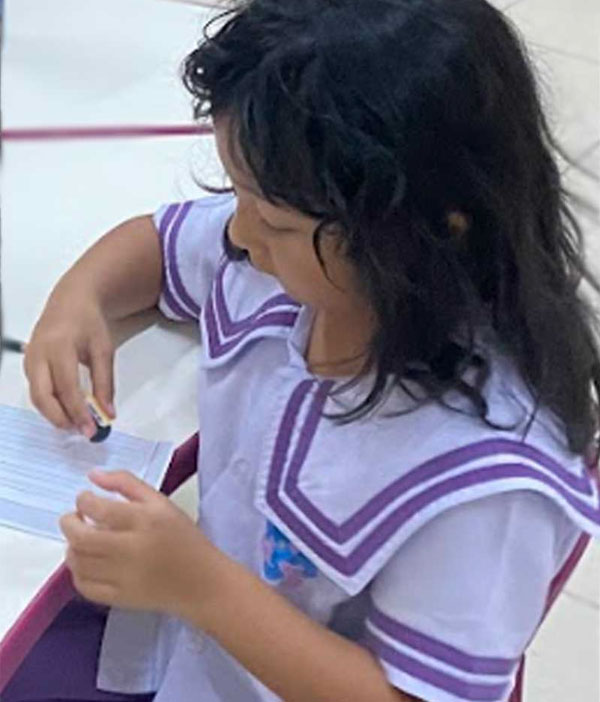
Cognitives
The Cognitive approach (often referred to as Cognitive Learning Theory) focuses on the inner workings of the human mind. While older theories like behaviorism only looked at outward behavior (rewards and punishments), cognitivism looks at the brain as a complex information processor—much like a computer.
It explores how students acquire, process, store, and retrieve information. Understanding cognitive science is essential for educators because it reveals how learning actually happens biologically and psychologically.
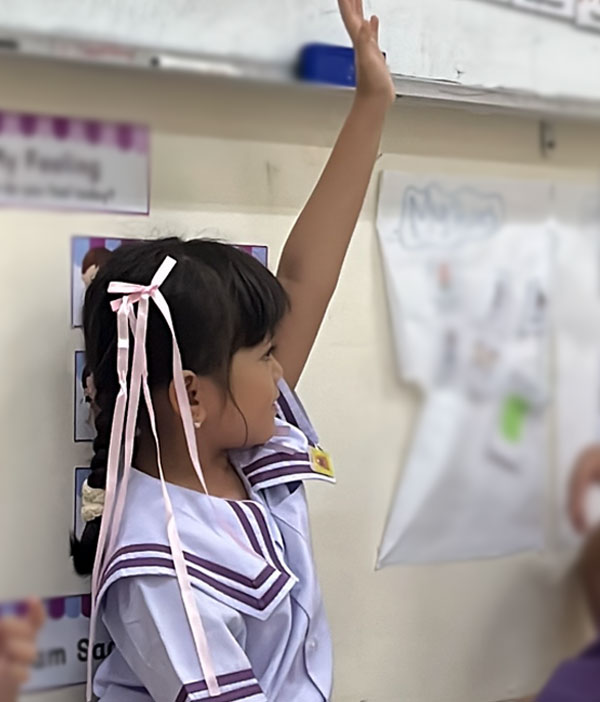
Language
Language is much more than just a subject on a report card. It is the fundamental vehicle through which all learning, socializing, and cognitive development takes place.
If personal identity is who the student is, language is how they connect that identity to the world of knowledge.
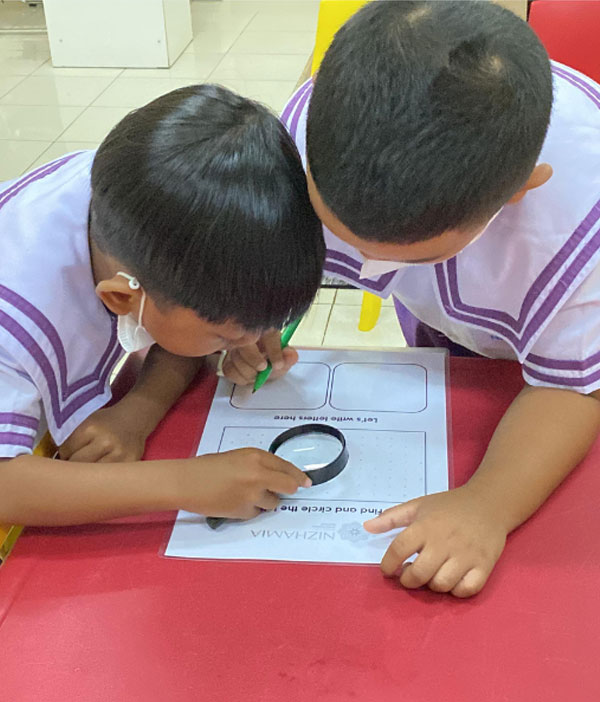
Social-Science
Social science is a broad term that generally takes on two distinct but equally important meanings. It refers both to the subjects students learn to understand the world, and the analytical tools educators use to understand the school system itself.
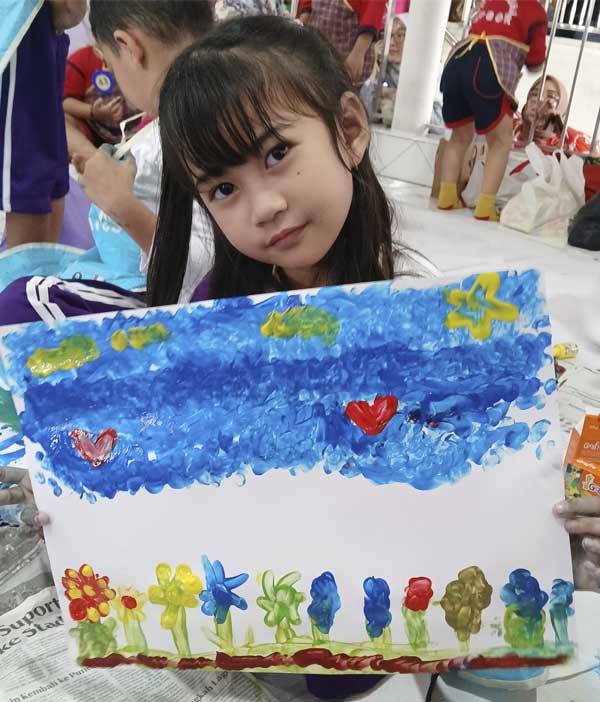
Art
In the educational landscape, art is no longer viewed merely as an extracurricular activity or a “break” from rigorous academics. It is widely recognized as a fundamental pillar of a holistic education. Art in education encompasses visual arts, music, dance, theater, and digital media, serving as both a subject to be mastered and a powerful tool for teaching other disciplines.
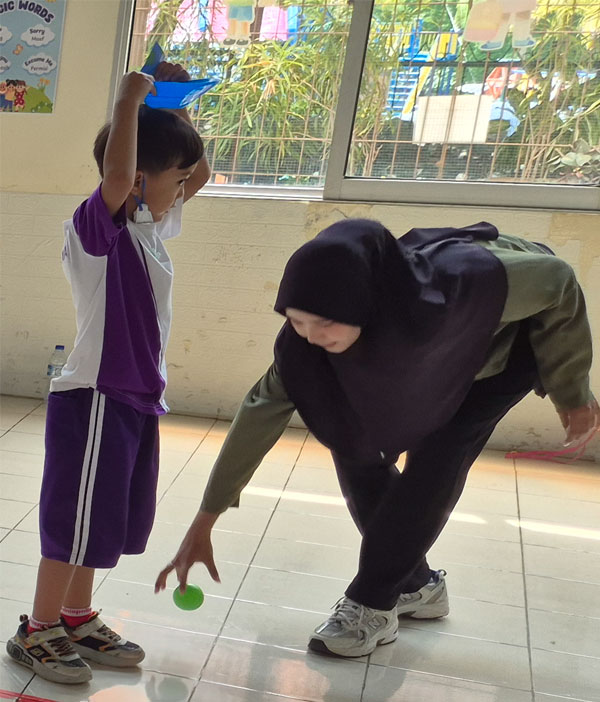
Gross Motor
Gross motor skills refer to a student’s ability to coordinate and control the large muscles of their body—such as the arms, legs, and torso. These skills govern broad, physical movements like running, jumping, throwing, and even sitting upright.
While schools are traditionally viewed as spaces for cognitive development, physical and mental growth are deeply intertwined. A student’s physical development lays the foundation for their academic success, particularly in early childhood and elementary education.
Method and Environment Support
Scientific, Skill Development, and Conceptual Understanding are used in terms of the student’s growth.
The learning acquisition approach that takes into account a student’s. Leraning Style designed to support student’s learning differentiation.
Ii’s referred to as “Student Voice.”
Nizhamia Learner Competencies
Long-life Leraner
Skill Development (21st century education)
Intrapersonal Demonstration (Profiles)
Leraning Owenership (Context based and Merdeka Belajar)

We believe that our educator will open their herats to welcome the student’s Learning Journey. They’ve recived training in both pedagogy (teacher chracter education) and social emotional healing. We design the collaboration betwen students and teachers, as well as the linking tugether.
Local and regional educator that are certified also quality to be Nizhamia Educators.
Value

Sincere

Integrity

Discipline
Compassionate
Patient
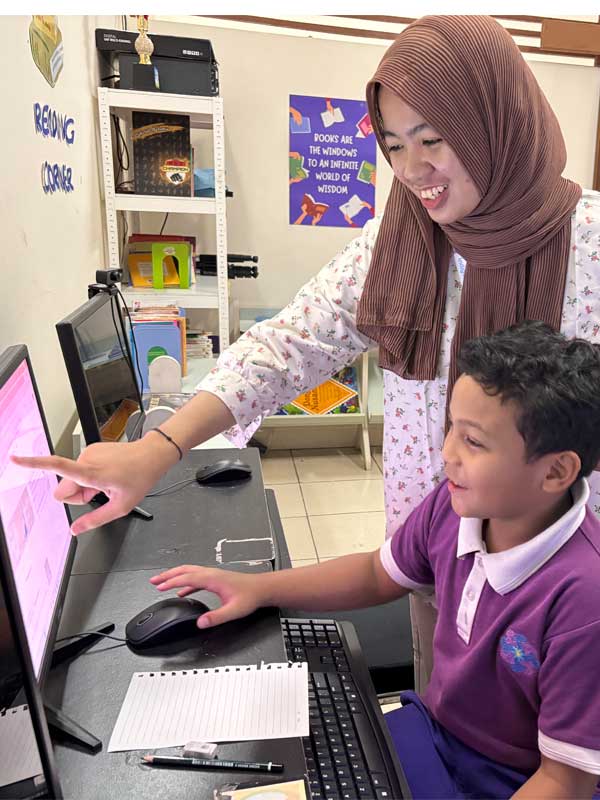
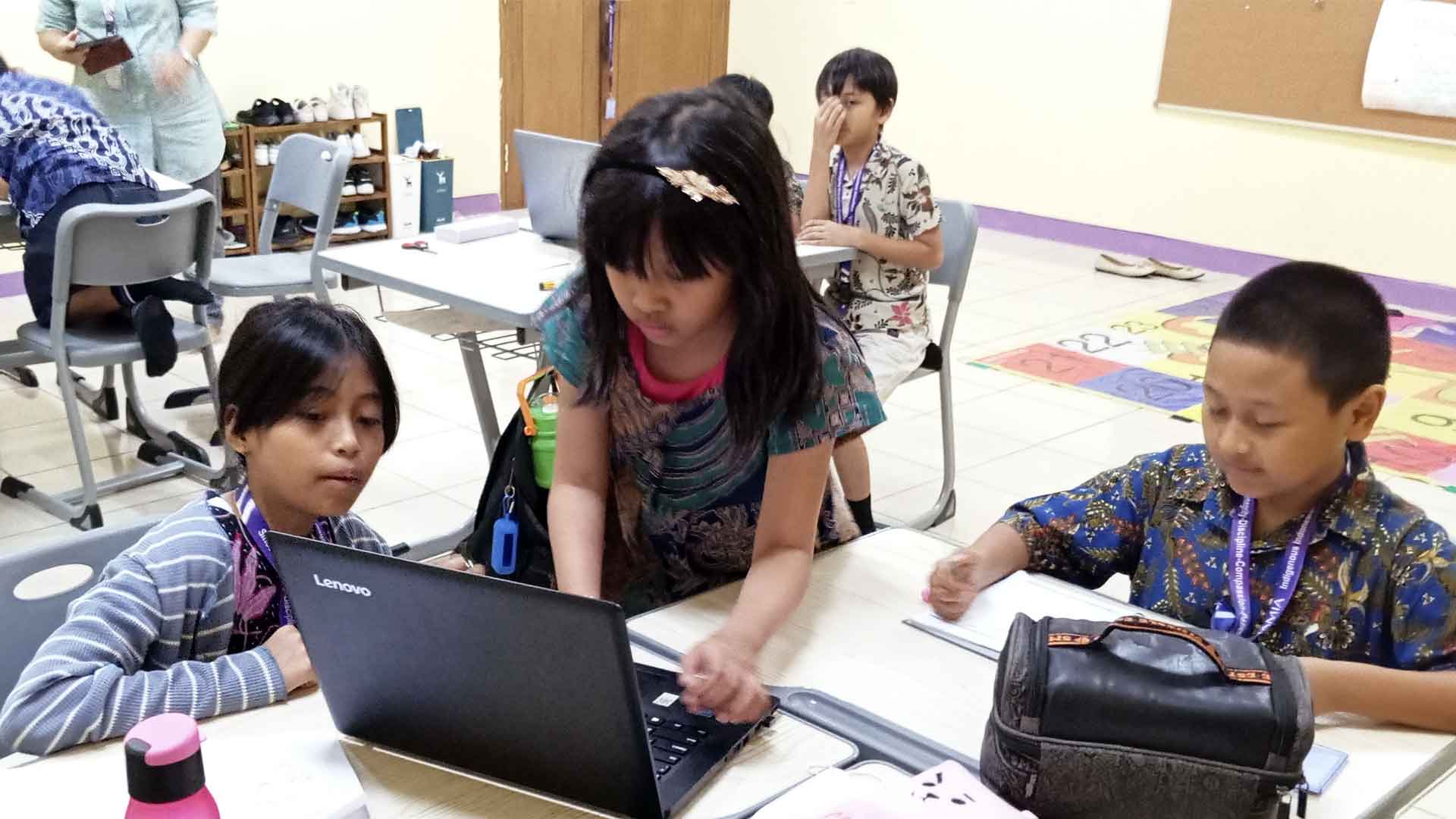
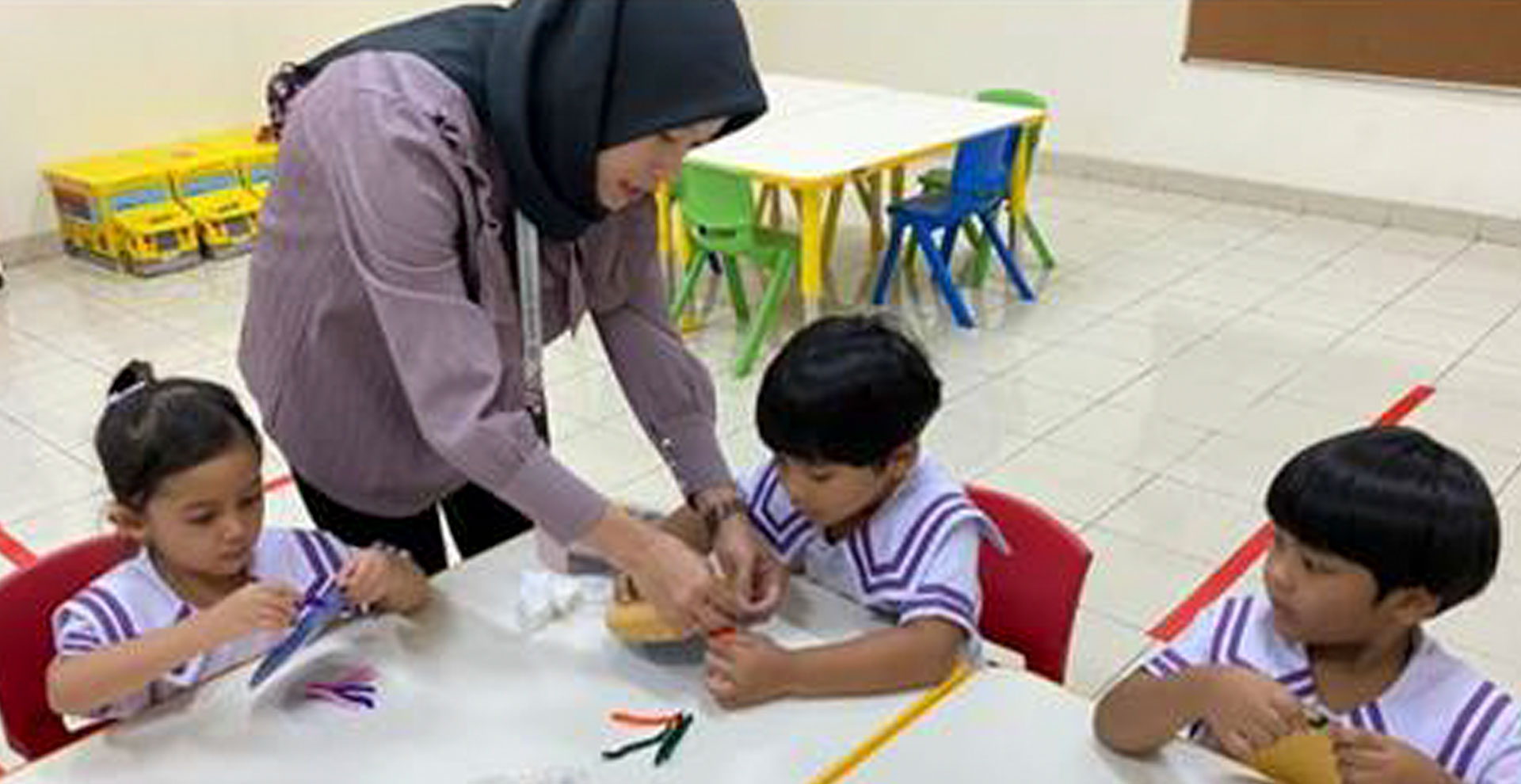
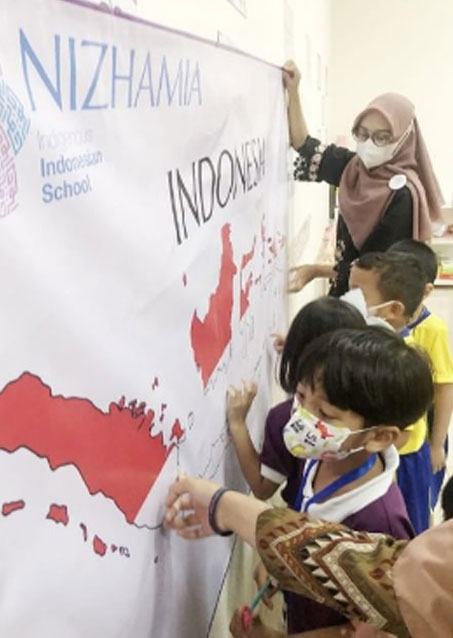
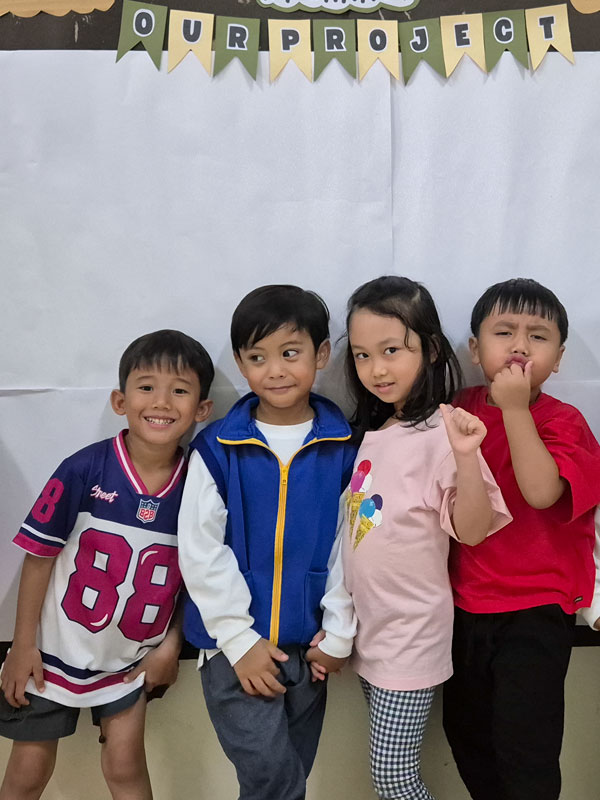
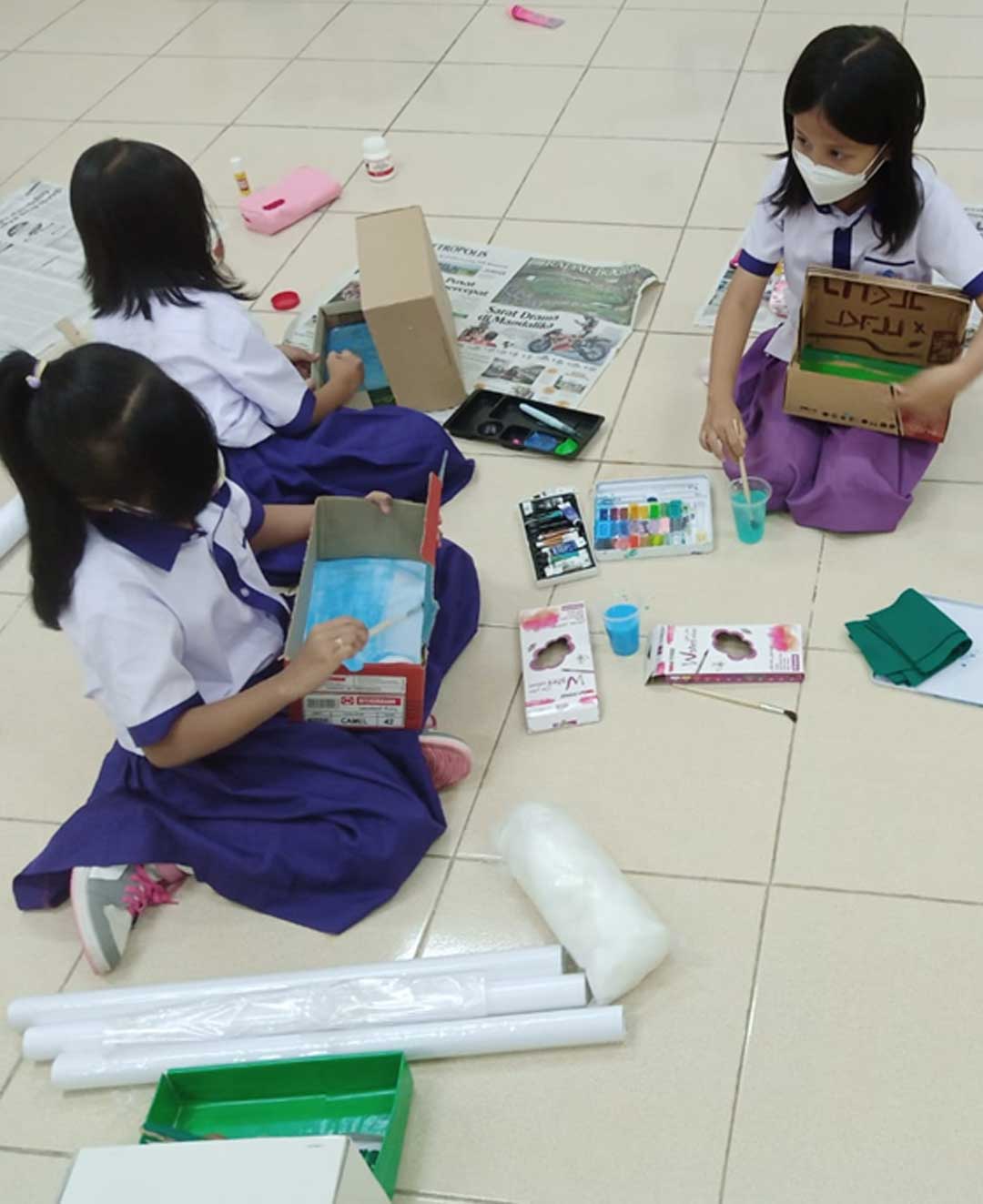
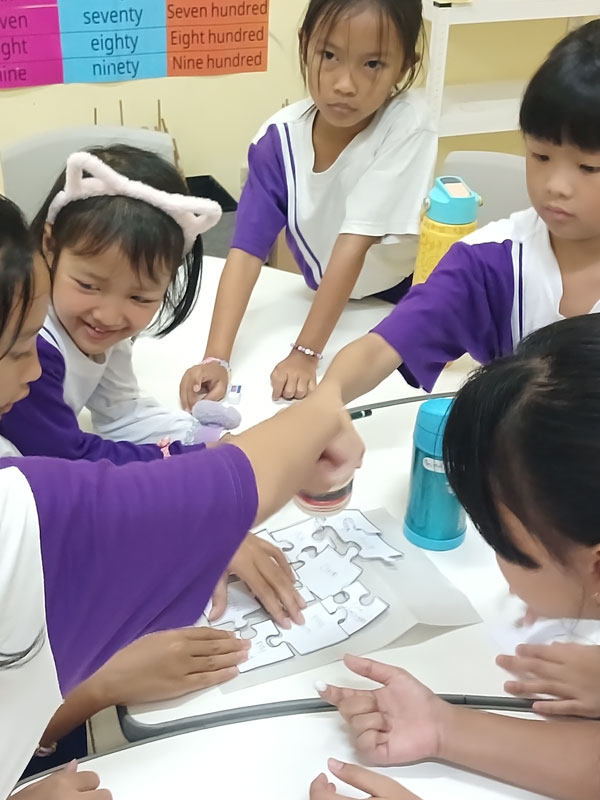
Student Life at Nizhamia School
Nizhamia School
JL. KH. R. Abdullah Bin Nuh, RT.06/RW.02, Curugmekar, Kec. Bogor Barat, kota Bogor, Jawa Barat 16113
(+62) 811 1044 950